Vitamin B
Filter and sort
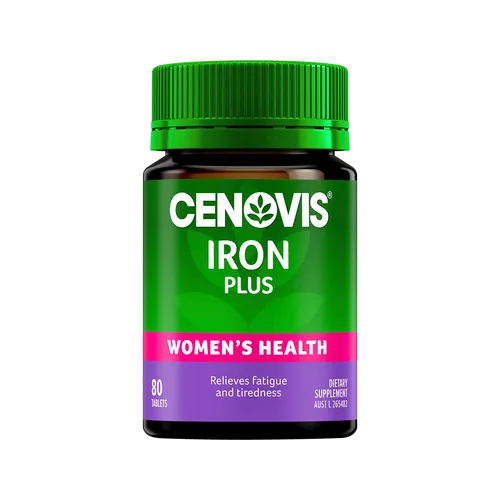

 Women’s Health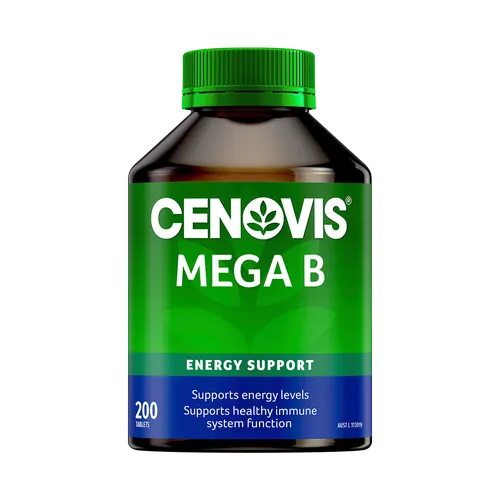
 Energy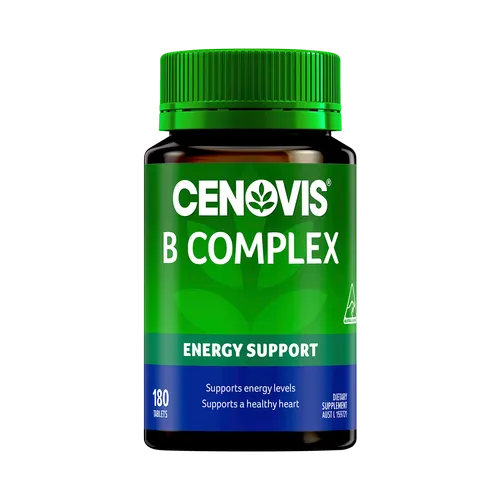
Always read the label and follow the directions for use.

find your daily dose
Vitamins — not as insta-worthy as your green smoothie, but still an important daily health win.
explore productsFAQS
B Vitamins are a group of 8 essential nutrients: B1, B2, B3, B5, B6, Biotin, Folate and B12. These are water soluble vitamins, so they don’t stick around in your body. It’s important to make sure you get enough B vitamins through diet to maintain healthy levels.
B vitamins play a crucial role in energy production by breaking down proteins, carbohydrates, and fats from food and drink, while helping transport oxygen throughout your body. Beyond energy support, they support your nervous system, immune function, and overall wellbeing, while also providing antioxidant support for healthy cells.
You can refer to the Cenovis range of B vitamins for the specific benefits you are looking for or can take your B vitamins within a multivitamin.
B vitamins can be taken at any time throughout the day that works best for your schedule. However, taking them in the morning is an excellent choice as B vitamins play a key role in supporting your body’s energy production processes.
B vitamins are found in various foods, such as:
- Whole grains (brown rice, barley)
- Meat, poultry, fish (good sources of B6 and B12) and liver (high in B2, B3 and folate and B12)
- Eggs (high B12)
- Dairy products like milk (high in B12 and B2) and yoghurt (high in B5 and B12)
- Leafy greens (high in folate)
- Nuts (high in folate and B6)
- Seeds (high in B5)
- Nutritional yeast (high in B12); and
- Fortified cereals (high in Vitamins B2, B6, folate and B12)
The amount of B vitamins you need can vary based on several factors including your age, lifestyle, and individual health circumstances. It’s always best to consider your unique situation when determining what’s right for you and speak to a healthcare professional if unsure.
