Magnesium
Filter and sort

 Bones, Muscles & Joints
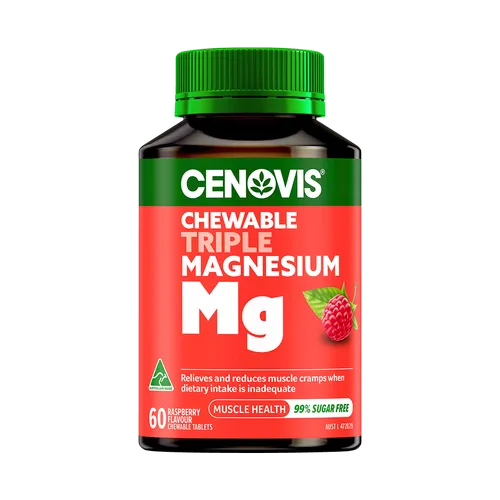
 A tasty Chewable with 3 types of Magnesium to support muscle health
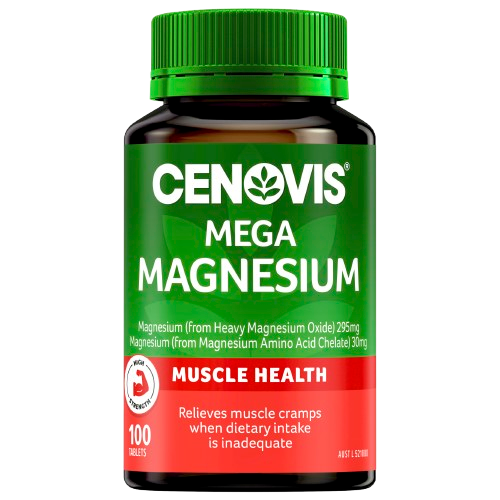
Always read the label and follow the directions for use.

find your daily dose
Vitamins — not as insta-worthy as your green smoothie, but still an important daily health win.
explore productsFAQS
Magnesium is an essential mineral for the human body. The body does not produce magnesium, so it’s important that we get enough through our diet.
Magnesium can help support many functions in the body, including energy metabolism, muscle function, protein synthesis (Fatima, 2024) and sleep. A magnesium supplement helps relieve muscle cramps, mild muscle spasms and muscle tiredness, when dietary intake is inadequate. It can also support muscle function and bone health. A magnesium supplement can help fill the gap when your diet doesn’t quite deliver enough.
Magnesium can improve sleep quality, promote deep sleep and help reduce the time to fall asleep in healthy adults. Magnesium Citrate and Magnesium Glycinate can be used for sleep. When dietary intake is inadequate, Magnesium can also support muscle relaxation which helps the body rest during sleep.
Yes, magnesium can be used for muscle cramps. It helps relieve and reduce muscle cramps and mild muscle spasms by supporting muscle function and relaxation, when dietary intake is inadequate. It helps reduce excessive muscle contractions that cause cramping in the legs and feet.
Magnesium supports muscle recovery by reducing muscle tiredness, relieving muscle cramps and supporting muscle relaxation when dietary intake in adequate. Maintaining adequate magnesium levels may help support overall muscle function and the body’s natural recovery processes.
Magnesium can be found in various foods, particularly:
Leafy greens (spinach)
Nuts (almond, cashew nuts)
Seeds
Fatty fish (Mackerel, Salmon)
Whole grains (brown rice, quinoa)
Legumes (black beans, chickpeas)
Bananas; and
Avocados
Individual requirements vary based on age, health conditions, and lifestyle factors. Always read the label and follow the directions for use on your magnesium supplement or consult with a healthcare professional for personalised advice.
Magnesium is involved in over 300 biochemical reactions throughout the body. It supports muscle function, energy production, nerve conduction, protein synthesis, bone health, sleep and overall general health and wellbeing.
